The same failure, documented fire after fire.
The numbers, photos, studies and source documents behind our case. Every claim links to where it came from.
The same failure, fire after fire.
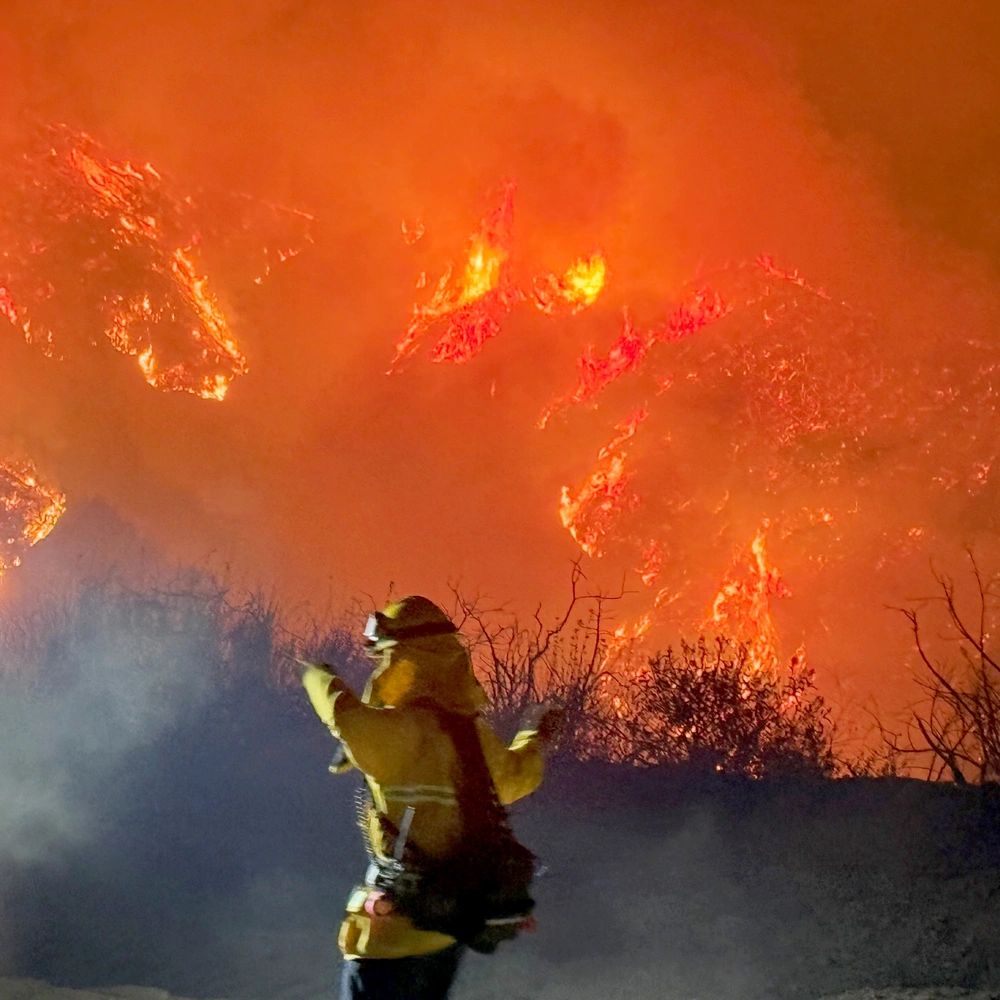
Seven of the most destructive fires of the last decade. In each one, water kept flowing into homes that were already gone.
| Fire | Structures | Lives lost |
|---|---|---|
| Camp2018 · Paradise, CA | 18,804 | 85 |
| Eaton2025 · Altadena, CA | 9,413 | 19 |
| Palisades2025 · Los Angeles, CA | 6,833 | 12 |
| Tubbs2017 · Santa Rosa, CA | 5,636 | 22 |
| Lahaina2023 · Maui, HI | 2,207 | 101 |
| Woolsey2018 · Los Angeles & Ventura, CA | 1,643 | 3 |
| Marshall2021 · Boulder County, CO | 1,084 | 2 |
| Total | 45,620 | 244 |
Structures destroyed; Lahaina counts structures damaged or destroyed. Sources: CAL FIRE, Boulder County, USFA / Hawai‘i Attorney General.
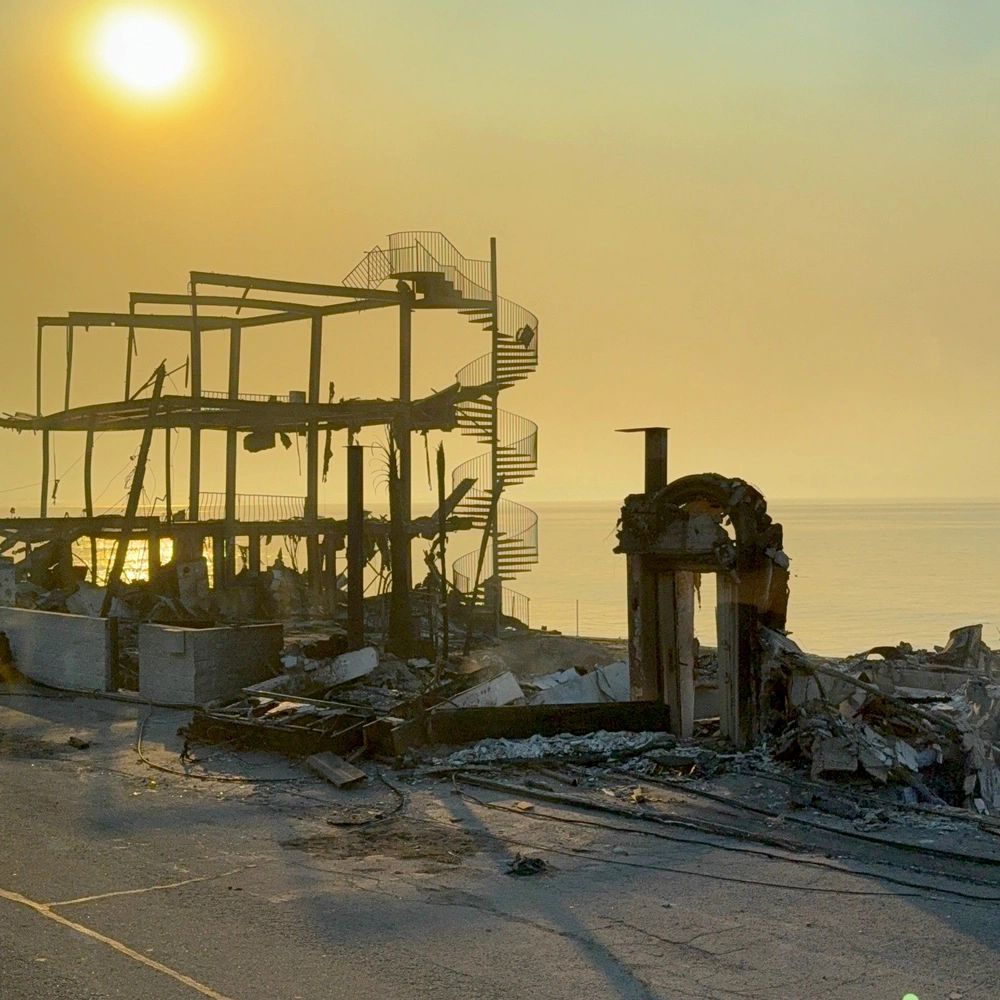
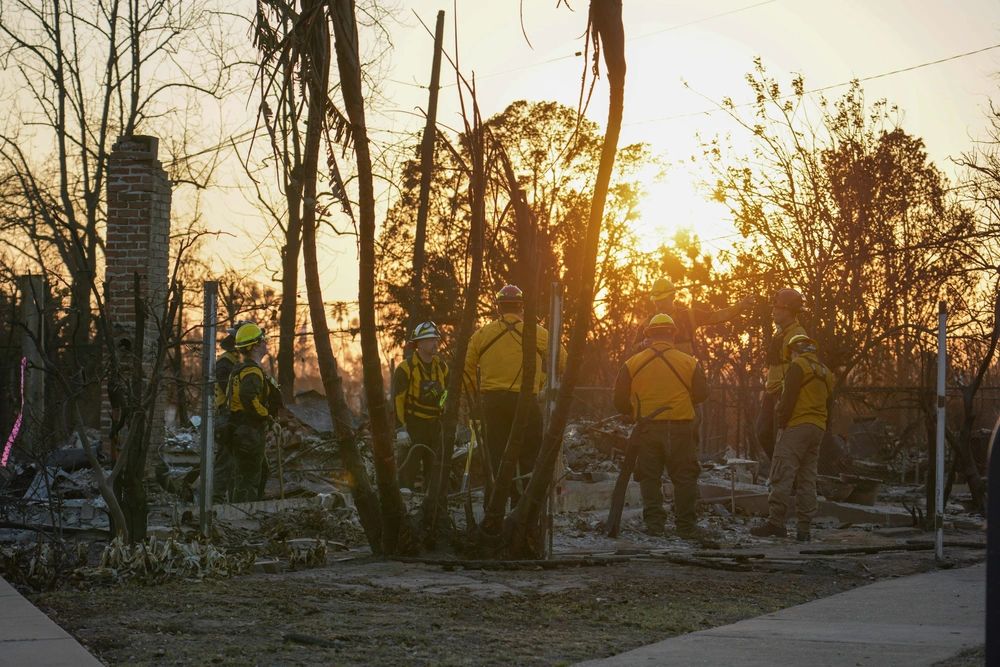
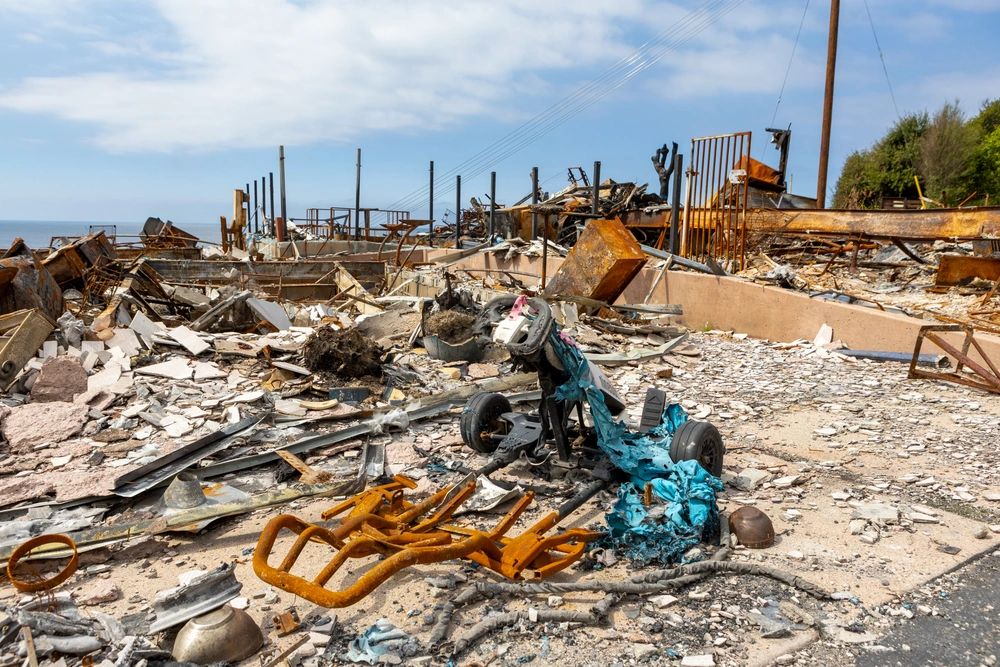
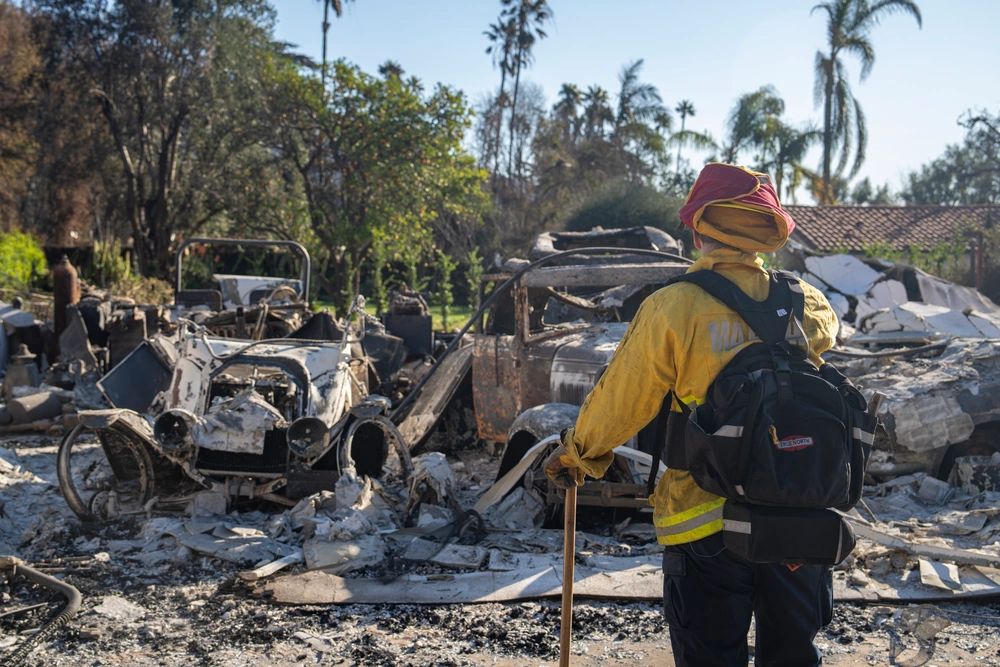
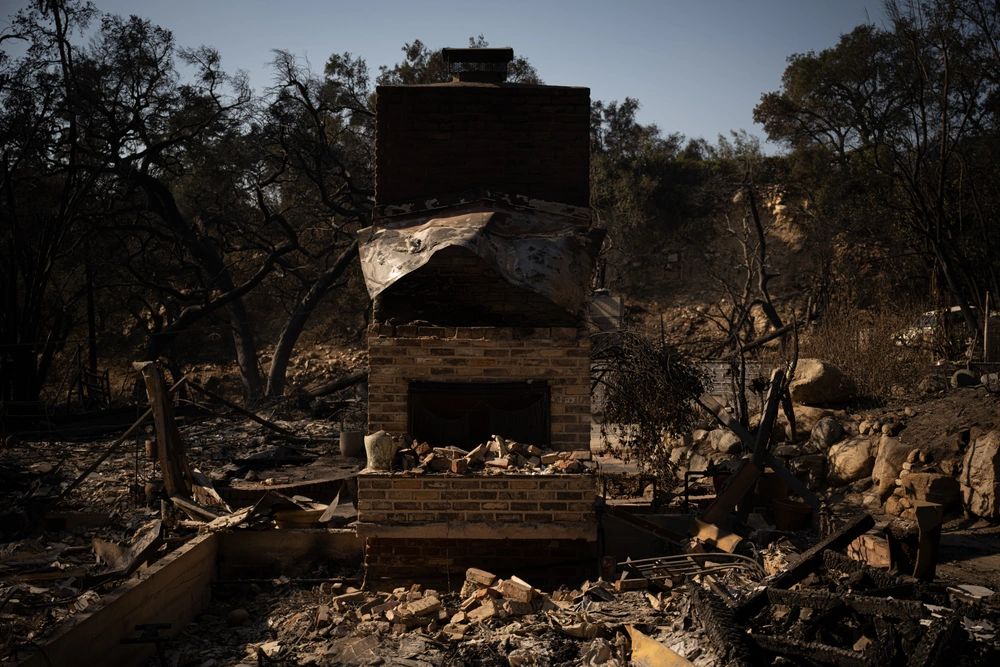
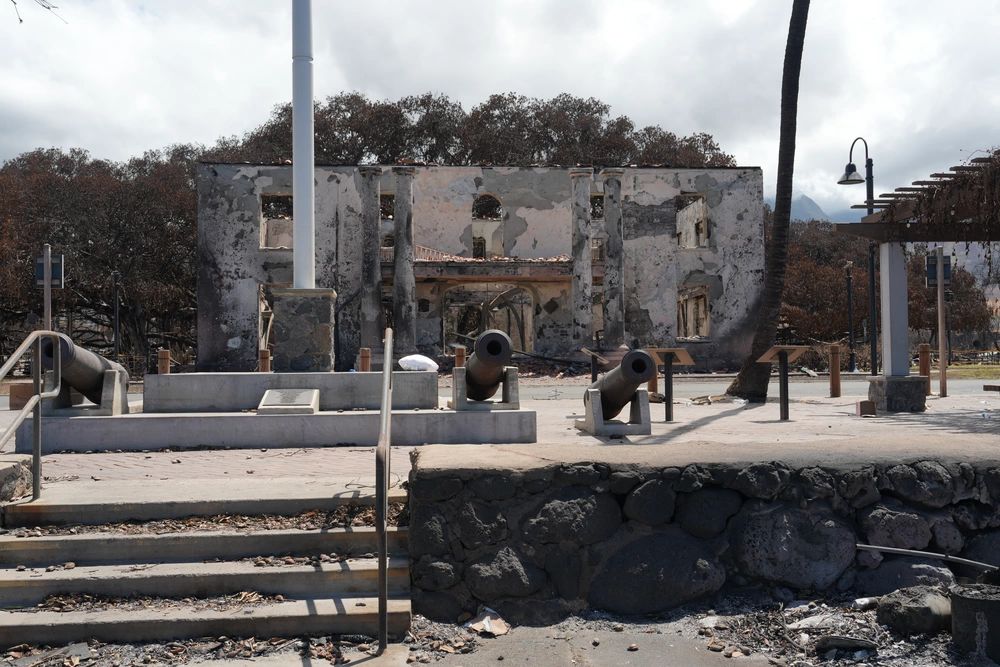
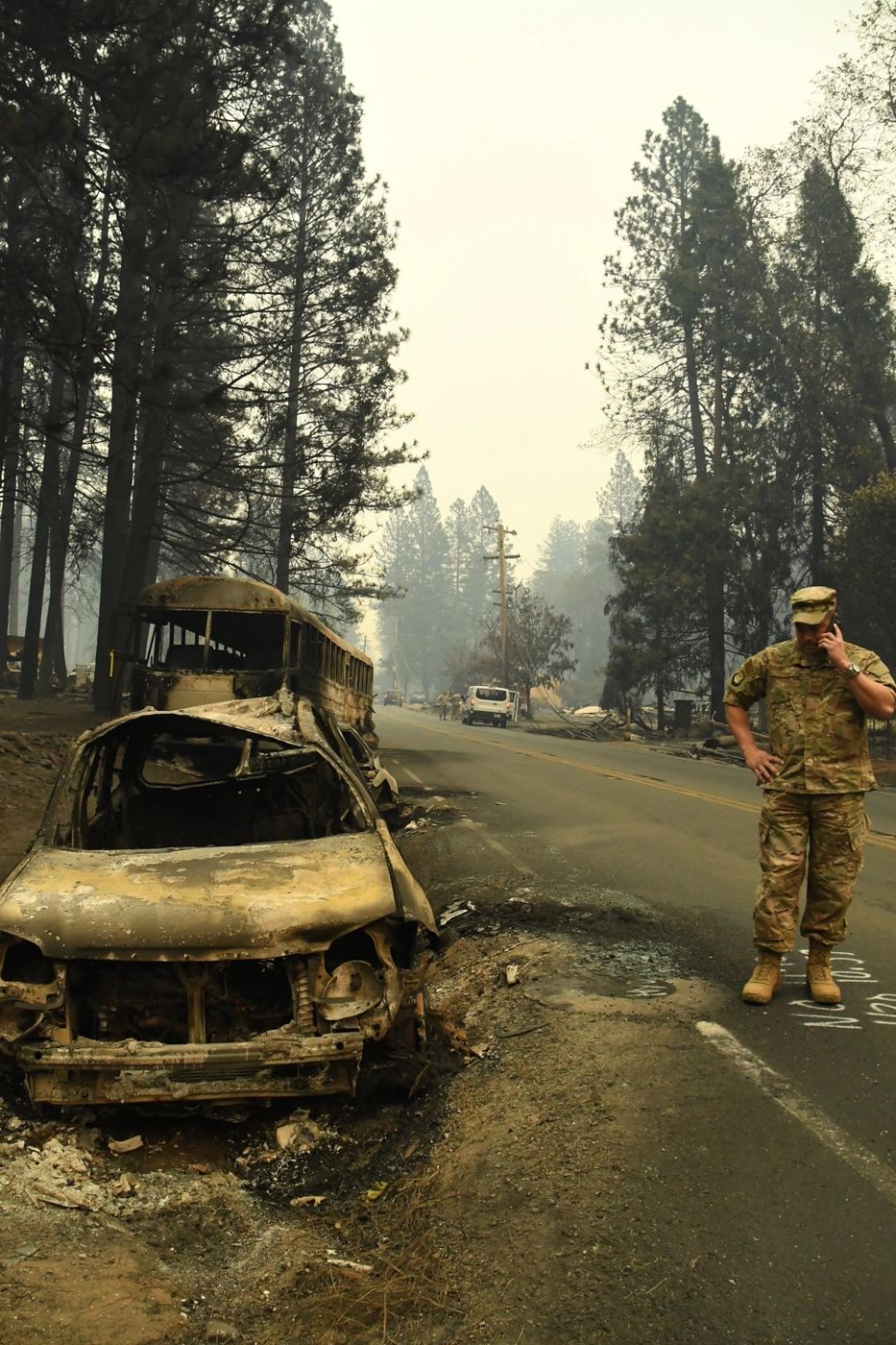
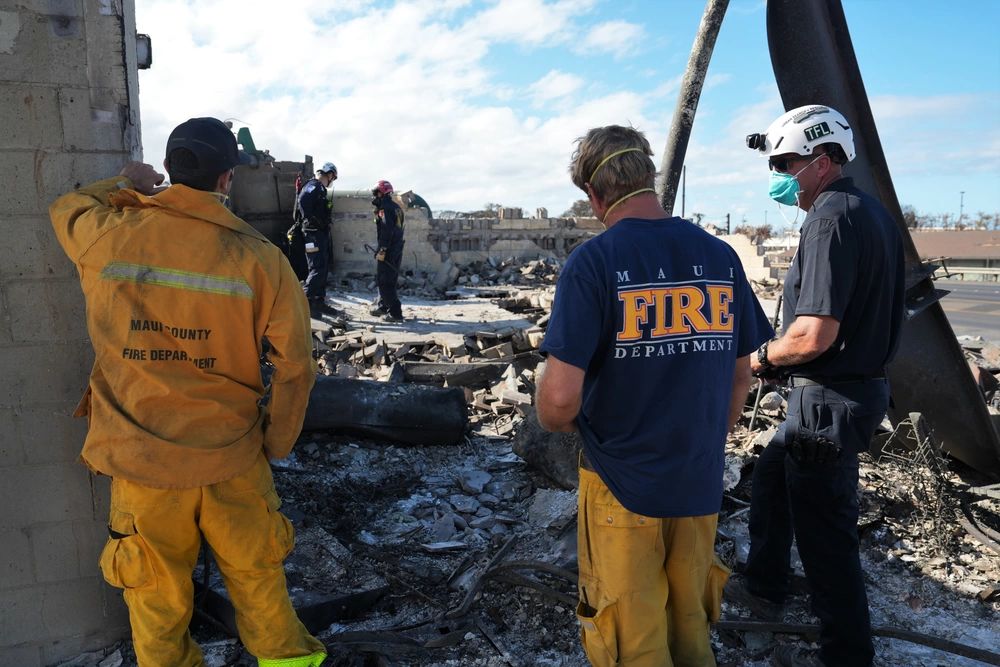
What the fires left behind.
Pacific Palisades, Malibu, Altadena, Lāhainā and Paradise. Different years, the same ruins.
The damage doesn’t end when the fire does.
When pressure collapses, contaminated water can be pulled back into the pipes. Losing pressure hurts firefighting and drinking water at the same time.
the federal limit: benzene reached 40 ppb in Lāhainā drinking water after the 2023 fire (limit: 5 ppb), triggering an unsafe-water alert.
Newcomer et al., Frontiers in Water (2026)to repair Paradise’s water system after the Camp Fire.
UCLA Luskin Center / UC ANR (2021)for water quality to recover across documented wildfire cases, depending on contaminant and watershed.
Newcomer et al., Frontiers in Water (2026)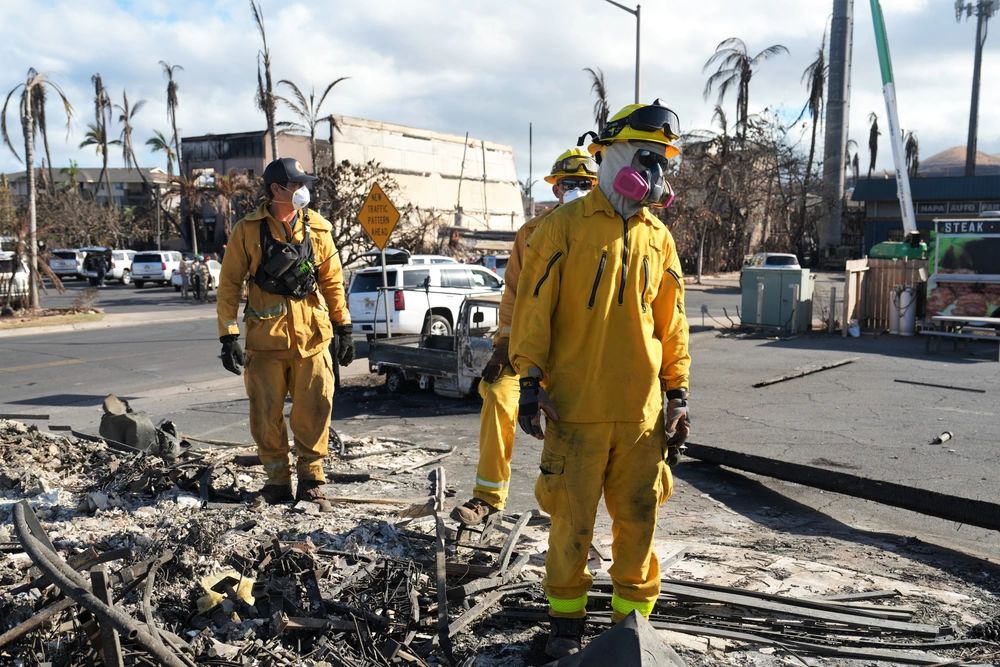
More homes in harm’s way every year.
The wildland-urban interface, where homes meet fire-prone land, is the fastest-growing land use in the United States.
U.S. homes in the wildland-urban interface, up 41% since 1990.
Radeloff et al., PNAS (2018)California homes at moderate or greater wildfire risk.
Cotality Wildfire Risk Report (2025)What the studies say.
Water managers and researchers from six fires describe the same problem, burned homes pouring out the water firefighters need, and reach the same fix. Here it is in their words, each linked to the source.
Destroyed homes drain the water firefighters need.
Every broken service line keeps flowing. Across hundreds of homes, the loss outruns what the system can deliver.
“Structure destruction further exacerbated water loss as each damaged structure became an uncontrolled water outflow.”
“with 300 to 400 homes destroyed, they were losing 6.5 MGD to 12 MGD, roughly 50% to 90% of the water they were producing.”
“If you have one or two of those, it’s not such a big deal, but with 150 of those you very quickly drain your system”
“When you have 3,100 structures destroyed and a significant number of open water lines and 12-inch fire lines, that led our system to bleed out.”
“With water spraying from connections at burned structures, the district had to shut off its system to keep from bleeding itself dry.”
“the water was leaking out of the system”
“This along with firefighting efforts significantly de-pressurized the water systems during the firestorm.”
“Ultimately, LADWP closed roughly 4,800 access points in the Palisades that were leaking water.”
The fix: stop the flow.
Reviews of different fires reach the same recommendation: close off the water to homes that are already lost.
“The city should also study technology such as automatic shutoff valves and high-flow detectors that can prevent openly flowing tap lines like the ones that got damaged in the fire”
“auto-shutoff meters/valves … to reduce the rate and magnitude of pressure loss”
“Water utilities need an emergency protocol for shutting off water service to buildings destroyed by fire.”
“Here, we add that once a building is destroyed, its water service should stop.”
“Crews eventually shut valves to help repressurize the system.”
These sources describe the problem and recommend fixes. None of them has evaluated or endorsed Fire Flow’s valve. In the Palisades Fire, state agencies attribute the pressure loss mainly to firefighting demand exceeding what the pipes could carry.
Fire Flow is built to do exactly that: stop the flow automatically at homes that are already lost.
Read the full documents.
Every study, report and dataset behind this page, grouped by type. Open any of them to check our numbers yourself.
Peer-reviewed research
- The Marshall Fire: Scientific and policy needs for water system disaster responseWhelton et al. · AWWA Water Science · 2023Destroyed homes drained 6.5–12M gallons a day; recommends automatic shutoff meters and valves.
- Water Supply and Firefighting: Early Lessons from the 2023 Maui FiresSowby & Porter · Water · 2024Calls for shutting off water service to buildings destroyed by fire.
- Facilitating water resilience in wildfire affected communitiesNewcomer et al. · Frontiers in Water · 2026Five case studies; identifies the unprotected curb-to-home gap.
- Rapid growth of the US wildland-urban interface raises wildfire riskRadeloff et al. · PNAS · 201843.4M U.S. homes in the WUI, up 41% since 1990.
Agency and utility reports
- Palisades Fire and Water Supply AnalysisCalEPA, CNRA, Cal OES, State Water Board, CAL FIRE, DWR · 2025Pressure loss came from flow-rate limits under ~4× normal demand.
- Palisades Fire Water System Preliminary ReportLADWP · 2025The utility’s own account of system performance during the fire.
- Post-Fire Water Quality InvestigationCity of Santa Rosa · 2018How pressure loss after the Tubbs Fire contaminated drinking water.
- Wildfire & Water Supply in CaliforniaUCLA Luskin Center & UC ANR · 2021Pressure loss impairs firefighting and drives contamination.
- Lahaina Fire Incident AnalysisUSFA / Hawai‘i Attorney General · 2025Official analysis of the 2023 Lahaina fire.
Data
See how Fire Flow stops the flow.
Watch the dual-condition valve close in our concept model, or get in touch about a pilot.